Study Suggests Adding Biosolids to Soil Does Not Promote Antibiotic Resistance
Drug-resistant bacteria are a global threat. In addition to the risks antibiotic resistance pose to human health, antibiotics residue can be found in wastewater, surface waters, agricultural runoff, and aquaculture water. Because some antibiotics and antibiotic-resistant bacteria end up in the sewer, there's concern that using biosolids as a source of fertilizer on farmland could aggravate the problem of antibiotic resistance.
In light of this, a recent study from the University of Gothenburg in Sweden examined the impact that adding biosolids to soil has on antibiotic resistance. The researchers found no evidence that the addition of biosolids promoted antibiotic resistance. The study appears in the April issue of Environment International.
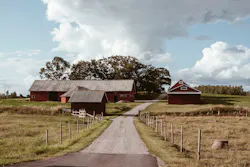
Professor Joakim Larsson led the research group from the Centre for Antibiotic Resistance Research (CARe) at the University of Gothenburg that looked at over thirty years of biosolid use to amend soil quality. Together with researchers from the University of Copenhagen in Denmark and Umeå University in northern Sweden, the group looked at an agricultural field trial in southern Sweden where the soil has been amended with biosolids since the 1980s. On some plots, biosolids from a nearby plant were spread in different does. On parallel plots, only inorganic fertilizers were added.
The researchers studied the effects on the levels of resistance genes, resistance bacterial, and antibiotics and other antibacterial substances in the biosolids and the soil, as well as which species of bacteria were common in the soil.
"The overall result is that virtually nothing happens. Everything we studied looks about the same in the different soils, regardless if a lot of sludge, little sludge, no sludge or just inorganic fertilizers were added. No antibiotics accumulated in the soil, nor did any resistant bacteria. The only clear thing we can see is that the nutrient supply affects which bacterial species thrive best in the soils," says Professor Larsson.
Biosolids and sewage sludge are often high in phosphorus, a nutrient vital to healthy plant growth, and returning the nutrients found in biosolids to the land offers an opportunity to create a closed cycle. But sewage treatment plants are an accumulation point for many modern chemicals. In 2018, the Swedish Ministry of Environment acknowledged that although the use of biosolids could make Sweden more self-sufficient, there are concerns about hazardous metals and microplastics being introduced to the environment through the use of biosolids and sewage sludge as fertilizer. Sweden has limited the amount of sewage sludge which can be spread on agricultural land to 30%.
"We have studied risks related to antibiotic resistance, which is only one of several pieces of the puzzle in the assessment of benefits and risks of using sludge as fertilizers," says Professor Larsson. "And, from a scientific point of view, small effects can never be completely excluded. In other countries, with higher antibiotic use, more resistant bacteria present in the human fecal flora, different sewage and sludge treatment procedures and higher dosing of sludge, risks can clearly not be excluded. Nevertheless, spreading sludge on farmland to the extent and in the way done in Sweden today does not seem to pose any obvious risk of driving resistance development. That is good news."