When it is time to call the professionals: Hidden performance thresholds in stormwater systems and the strategic value of low maintenance green infrastructure
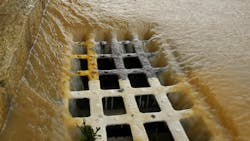
Stormwater infrastructure rarely collapses without warning. Long before pavement floods, embankments fail, or pipes surcharge, systems begin communicating subtle technical signals that something is changing beneath the surface. These signals are easy to overlook because they do not resemble failure. They resemble normal variation. For engineers, municipal leaders, and property managers responsible for drainage performance, recognizing the difference between harmless fluctuation and early-stage degradation is one of the most valuable technical skills in infrastructure management.
The reality is that most stormwater systems do not move from healthy to failed in a single step. They pass through measurable transitional phases where performance declines gradually. Each phase presents an opportunity for targeted correction. The earlier that intervention occurs, the less disruptive and less expensive the solution becomes. Knowing when to bring in specialized expertise is therefore not a reactive decision. It is a calculated engineering judgment that protects capital assets, regulatory standing, and public safety simultaneously.
Subsurface clues that indicate performance drift
Stormwater infrastructure is governed by hydraulic behavior, soil mechanics, and biological interaction. Because these processes operate continuously and often invisibly, system decline typically begins below the surface. Professionals trained in field diagnostics look for subtle indicators that signal performance drift.
One of the earliest signs is a shift in flow timing. When runoff peaks arrive faster than expected or persist longer than historical patterns suggest, the system may be losing storage or infiltration capacity. Sediment accumulation inside conveyance structures, gradual compaction of infiltration media, or minor deformation in pipe geometry can all alter hydrograph shape. These changes rarely appear dramatic, but they reveal that the hydraulic balance intended by the original design is evolving.
Another indicator is sediment redistribution. Fine material deposited near inlets, along channel margins, or around outfalls indicates velocity changes. Either the system is slowing more than intended and allowing particles to settle prematurely, or it is accelerating flow in localized zones that transport material farther than designed. Both scenarios reduce treatment effectiveness and can create downstream erosion.
Vegetation patterns also provide valuable data. Sparse plant coverage in areas that once supported dense growth often signals soil moisture imbalance or altered groundwater interaction. Conversely, excessive vegetation in conveyance paths may indicate reduced velocity that allows colonization where flow once prevented it. Vegetation is not merely aesthetic. It is a biological sensor responding directly to hydraulic conditions.
Why early technical assessment matters
Waiting until visible damage appears is one of the costliest mistakes in infrastructure management. By the time structural symptoms emerge, the underlying cause has usually been developing for years. Early professional evaluation allows problems to be addressed while they are still localized and manageable.
A specialized assessment typically includes hydraulic measurements, elevation verification, soil stability testing, and structural inspection of conveyance components. These analyses reveal whether observed symptoms stem from sedimentation, settlement, hydraulic restriction, or design mismatch with current watershed conditions. Without this level of technical evaluation, maintenance efforts often treat symptoms instead of causes. Clearing debris may restore flow temporarily, but if slope geometry or subsurface voids are the true drivers, the problem returns quickly.
Professional involvement at the correct stage does more than fix issues. It preserves the integrity of the original infrastructure investment. Systems that receive periodic expert review consistently outlast those that rely solely on reactive maintenance. The difference is not luck. It is informed intervention guided by data.
The engineering definition of low-maintenance infrastructure
Low-maintenance infrastructure does not mean infrastructure that never requires attention. In engineering terms, it describes systems intentionally designed so that required upkeep is predictable, infrequent, and inexpensive. This outcome is achieved not through simplification but through intelligent integration of natural processes with structural components.
Effective low-maintenance systems share several defining characteristics. They rely primarily on passive hydraulic behavior rather than mechanical controls. They use materials that stabilize themselves under flow conditions rather than materials that degrade or shift. They incorporate vegetation whose root structures reinforce soil strength while promoting infiltration. They distribute hydraulic loads across multiple pathways instead of concentrating them at single points. They include geometric features that dissipate energy before erosion can occur.
Each of these characteristics reduces dependence on constant human intervention. Instead of fighting natural forces, the design channels those forces in ways that sustain system performance. The result is infrastructure that functions reliably even as environmental conditions fluctuate.
Distributed Treatment Versus Single-Point Vulnerability
One of the most important principles in resilient stormwater design is distribution. Systems that rely on a single basin, pipe, or outlet to manage runoff are inherently vulnerable. If that element becomes obstructed or overwhelmed, the entire system is compromised. Distributed treatment trains provide redundancy that protects against this risk.
In a distributed configuration, runoff encounters multiple stages of slowing, filtering, and infiltration. Vegetated swales may reduce velocity before water reaches a basin. A basin may detain flow before it enters a conveyance structure. Permeable surfaces may infiltrate a portion of rainfall before it ever becomes runoff. Each stage removes stress from the next stage. This layered approach not only improves treatment efficiency but also extends infrastructure lifespan.
From a management perspective, distributed systems are easier to maintain because localized issues do not immediately threaten systemwide function. Repairs can be scheduled strategically rather than performed under emergency conditions. This flexibility translates directly into budget stability and operational reliability.
Soil structure interaction and hidden risk
Stormwater infrastructure does not operate independently from the soil that surrounds it. Soil provides structural support, filtration capacity, and hydraulic storage. When soil conditions change, infrastructure performance changes with it. Unfortunately, soil behavior is rarely visible until problems become severe.
Settlement is a common example. Over time, soil particles rearrange under load, reducing volume and altering elevation. Even small settlement can change pipe slope enough to reduce flow efficiency. Voids created by erosion or root decay can remove support from structures, increasing stress concentrations that lead to cracking or collapse. Saturated soil adds weight and lateral pressure that may exceed design assumptions.
Professionals evaluate these risks through subsurface probing, compaction analysis, and elevation surveying. These techniques identify developing problems long before they threaten structural integrity. Early detection allows targeted stabilization rather than large-scale reconstruction.
Regulatory performance as a technical driver
Modern stormwater regulations increasingly focus on measurable performance rather than simple installation of best practices. Many permits now require proof that systems continue to meet treatment and detention criteria years after construction. This shift means that infrastructure owners must think beyond whether a system looks functional. They must verify that it still performs according to design standards.
Declining infiltration rates, increased turbidity at discharge points, or reduced nutrient removal efficiency can place a site at risk of noncompliance even if no flooding occurs. Professional evaluation provides the monitoring data and technical interpretation necessary to demonstrate continued compliance or to justify corrective measures. In this context, calling specialists is not merely about solving problems. It is about maintaining documented evidence that infrastructure fulfills regulatory obligations.
Economic reality of infrastructure life cycles
Infrastructure management follows a predictable economic pattern. Costs remain low while systems operate within their design range. As performance declines, expenses rise gradually at first and then rapidly. Once structural failure occurs, costs escalate dramatically due to emergency mobilization, property damage, and regulatory exposure.
Early-stage corrections are typically precise and limited in scope. They may involve regrading a small area, adding stabilization material, adjusting inlet elevations, or installing targeted vegetation. Mid-stage corrections may require partial reconstruction or installation of supplemental controls. Late-stage corrections often involve full replacement or major reconstruction, which is many times more expensive than earlier interventions.
Understanding this cost curve is essential for decision-makers responsible for budgets. Investing in professional assessment at the right time often prevents expenditures that would otherwise multiply later. It is one of the few infrastructure decisions that consistently reduces total lifetime cost rather than increasing it.
Green infrastructure as preventive engineering
Green infrastructure is sometimes viewed primarily through an environmental lens, but from an engineering standpoint it functions as preventive technology. Vegetated systems slow water, increase infiltration, filter pollutants, and stabilize soil simultaneously. They perform these tasks continuously without mechanical components or external energy.
Bioretention areas, vegetated buffers, infiltration zones, and living shorelines all operate by converting kinetic energy into distributed biological and hydraulic processes. Roots create channels that enhance infiltration. Plant stems reduce velocity. Organic matter improves soil structure. These processes reinforce each other, creating systems that become more effective as they mature.
Because green infrastructure relies on natural mechanisms, it often requires less frequent intervention than conventional structural controls. Maintenance typically involves periodic inspection, selective vegetation management, and sediment removal at predictable intervals. This predictability is what makes such systems attractive to municipalities and property managers seeking long-term reliability.
Indicators that professional intervention is warranted
There are specific technical conditions that signal the need for specialized expertise rather than routine maintenance. Persistent standing water after moderate rainfall suggests infiltration decline or subsurface obstruction. Recurrent sediment buildup near outlets indicates velocity imbalance. Cracking or displacement in structural elements points to soil support issues. Unexpected vegetation die-off signals moisture or nutrient imbalance that may reflect hydraulic changes.
Individually these conditions may seem minor. Collectively they form a diagnostic pattern that professionals can interpret. The key is recognizing that these signs represent system feedback rather than isolated anomalies. Calling experts at this stage allows the underlying cause to be identified before symptoms intensify.
Expertise as an engineering control measure
In complex infrastructure systems, expertise functions as a control mechanism just as valves and channels do. Specialists bring analytical tools, modeling capability, and interdisciplinary knowledge that enable accurate diagnosis. They can distinguish between cosmetic issues and structural threats, between temporary fluctuations and systemic decline.
Their value lies not only in technical skill but in perspective. Experienced professionals have seen a wide range of failure modes across different environments. This comparative insight allows them to anticipate problems that are not yet obvious on a specific site. By applying lessons learned elsewhere, they can recommend solutions that prevent recurrence rather than simply restoring previous conditions.
Designing systems that are built to rest
The most resilient stormwater systems are those designed so that no single component must work excessively hard. Instead of forcing one structure to handle the entire hydraulic load, the design distributes responsibilities across soil, vegetation, and structural elements. Each component performs within a comfortable range, which reduces wear and extends service life.
This philosophy produces infrastructure that appears calm even during significant rainfall. Water moves gradually, energy dissipates naturally, and loads remain balanced. Such systems require fewer interventions because they operate within stable physical limits. They are not passive. They are optimized.
Strategic perspective for decision makers
For municipal leaders and property managers, stormwater infrastructure represents both a public responsibility and a financial asset. Decisions about inspection, maintenance, and professional consultation influence not only immediate performance but also long-term liability and capital planning. Recognizing when a system is approaching a performance threshold is therefore a strategic capability.
Engaging professionals before problems become urgent demonstrates proactive management. It signals to regulators, residents, and stakeholders that infrastructure is being handled with foresight rather than reaction. This approach strengthens public trust while protecting budgets from unexpected expenses.
Stormwater systems communicate continuously through hydraulic behavior, soil response, and ecological signals. Learning to interpret those signals is essential for maintaining performance and controlling costs. The moment when subtle indicators begin to appear is the point at which professional expertise delivers its greatest value. Early technical assessment preserves infrastructure, sustains compliance, and prevents minor inefficiencies from evolving into major failures.
Low-maintenance green infrastructure plays a central role in this strategy because it aligns engineering performance with natural processes. By distributing hydraulic loads, reinforcing soils biologically, and dissipating energy gradually, such systems achieve durability that purely structural solutions often cannot match.
In stormwater management, failure is dramatic, visible, and expensive. Prevention is quiet, calculated, and technical. The decision to call professionals at the right time is not a sign of concern. It is a demonstration of engineering intelligence and responsible stewardship of infrastructure that communities depend upon every day.
About the Author
Joseph Garavelli
Joseph Garavelli is the founder and senior environmental consultant at EcoTactics, specializing in erosion control, stormwater systems, and water quality solutions throughout South Carolina. He also provides consulting support for Ecological Improvements on environmental and infrastructure-related projects.