EPA Settles Sewage Overflow Violations with Pennsylvania, Scranton Sewer
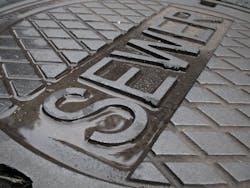
The U.S and the commonwealth of Pennsylvania announced a settlement with the Scranton Sewer Authority (SSA) resolving alleged Clean Water Act violations involving sewer overflows to the Lackawanna River and its tributaries.
In a proposed consent decree, SSA has agreed to implement a 25-year plan to control and significantly reduce overflows of its sewer system, thereby helping improve water quality of the Lackawanna River and local streams. The plan is estimated to cost $140 million to implement.
The proposed settlement was filed in federal court today in Scranton by the U.S. Department of Justice on behalf of the U.S. Environmental Protection Agency (EPA) and by the Pennsylvania Department of Environmental Protection (PADEP). The settlement also requires SSA to pay a $340,000 civil penalty, which will be split evenly between the U.S. and Pennsylvania.
“Achieving this settlement puts another municipality on a more sustainable path for managing storm water in ways that benefit the health and quality of its communities and local waters for years to come,” said EPA Regional Administrator Shawn M. Garvin.
The settlement addresses problems with SSA’s combined sewer system, which when overwhelmed by storm water, frequently discharges raw sewage, industrial waste, nitrogen, phosphorus and polluted storm water into the Lackawanna River and its tributaries, part of the Chesapeake Bay Watershed. The volume of combined sewage that overflows from the system is approximately 700 million gal annually.
In addition to the 25-year control plan, the proposed settlement also requires the installation of a state-of-the-art biological treatment system at the SSA wastewater treatment plant to reduce discharges of nitrogen and phosphorus pollution.
The proposed consent decree is subject to a 30-day public comment period and court approval after it is published in the Federal Register. It will be available for viewing on the department’s website.
Source: EPA