Clean Storm Water Starts with You
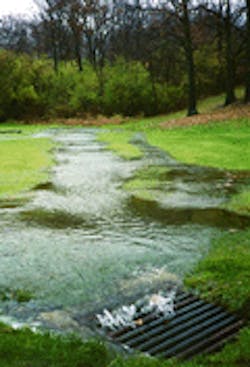
Storm water is water from rain or melting snow that does not soak into the ground.
In a previous column, the Charlotte Observer examined how this runoff from parking lots, roads and roofs, harms water quality, erodes streams and causes flooding. This column offers the advice from David Fogarty, director of the Gaston County, (N.C.) Cooperative Extension Office as he addresses what homeowners can do to help address this storm water issue.
Q. Does storm water come from my property?
Probably so. The next time you are home during a rain shower, watch where the rainwater goes. If water flows off of your lawn and driveway into a road, ditch or creek, the answer is "yes."
Q. How can I do my part to reduce storm water impacts?
There are two things you can do to help with storm water problems. The first approach is to eliminate possible sources of pollution in your yard that are easily carried away by storm water during a rainstorm. This is a positive step toward improving water quality. The second approach is to reduce the amount of water flowing off your property.
Here are three questions to ask yourself about potential sources of pollution in your yard:
+Are any car or truck wastes being carried away by storm water?
Oil stains on your driveway and outdoor spills of antifreeze or other automotive fluids are easily washed into streams and lakes during a rainstorm. Routine maintenance can prevent your car from leaking. If you change your own oil, be careful to avoid spills and collect waste oil for recycling. Store oily car parts and fluid containers where rain and runoff cannot reach them. Never dump used oil, antifreeze or gasoline down a storm drain, in a ditch or on the ground.
+How do I keep animal wastes from becoming a pollution problem?
Droppings from dogs, cats and other pets can be troublesome in two ways. First, pet wastes contain nutrients that can promote the growth of algae if wastes enter streams and lakes. Second, animal droppings contain bacteria that can cause disease. The risk of storm water contamination increases if pet wastes are allowed to accumulate in animal pens or are left on sidewalks, streets or driveways. Instead of allowing pet wastes to accumulate or sending them to a landfill, consider flushing the wastes down the toilet or burying them.
+Do I keep yard and garden wastes out of storm water?
If left on sidewalks, driveways or roads, grass clippings and other yard wastes will wash away with the next storm. Although leaves and other plant debris accumulate naturally in streams and lakes, homeowners can contribute excess amounts of plant matter, leading to water that is unattractive or green with algae. Burning yard waste is not an environmentally friendly alternative -- and in some areas, it is illegal. Fortunately there are some easy options. Bag leaves and grass for municipal pick-ups. Better yet, sweep clippings back onto the grass, and compost leaves and garden wastes on your property for use in mulched areas or gardens.
Q. How can I reduce the amount of water flowing off my property?
Your house roof, like pavement, sheds water. If downspouts from roof gutters empty onto grassy or natural areas, the water will have a chance to soak into the ground. Aim downspouts away from foundations and paved surfaces. For roofs without gutters, plant grass, spread mulch, or use gravel under the drip line to prevent soil erosion and increase infiltration of water into the ground. Consider using cisterns or rain barrels to catch rain for watering your lawn and garden in dry weather.
Q. Are rain gardens appropriate?
Often runoff can be diverted to localized low spots in your yard. These areas, when planted with water-tolerant vegetation such as redbuds, St. John's Wort, Cherrybark oak and sweet pepperbush, are called rain gardens. Rain gardens naturally filter water and provide an effective means for putting surface water back into groundwater. Rain gardens work best in sandy soils. In clay soils, rain gardens can be engineered by adding a layer of sand and gravel under the soil.
Source: Charlotte Observer