Storm Water Runoff: Harmful to Humans and the Environment
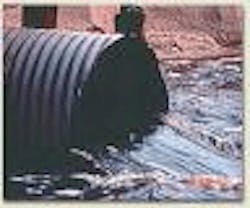
The U.S. Environmental Protection Agency’s (EPA) Office of Enforcement and Compliance Assurance (OECA) has made storm water runoff a national compliance priority for the upcoming years.
Storm water runoff can become a major problem as it can significantly affect water quality. Storm water runoff can pick up chemicals, debris, pollutants and more as it flows to its final destination.
These pollutants can initiate in storm water at hazardous waste sites, construction sites, outside of factories or gas stations and anywhere else that contaminants harmful to drinking water are spilled or disposed. Being non-compliant with storm water runoff can have serious impacts on human health and the environment. Make sure your company is not a contributing factor.
Become aware of Industrial Storm Water Permitting and Pollution Prevention Plan Requirements by attending Georgia Tech Research Institute’s upcoming course on Managing Environmental Compliance, March 8-10, 2006 at the Global Learning and Conference Center on Georgia Tech’s campus in Atlanta, Ga.
Sign up today and help avoid costly fines for non-compliance, network with other professionals involved in environmental compliance and keep up-to-date on new and changing environmental regulations.
Call 404/385-3500 to register or visit http://www.pe.gatech.edu (keyword search: EST 6000).
Attendants for this course will earn CEUs (Continuing Education Units) and AIA, HSW Learning Units. This course can also be used for elective credits for Georgia Tech’s Hazmat or OSH Training Certificate Program.
Source: GTRI