Illinois Towns Band Together to Resolve Sewage, Stormwater Woes
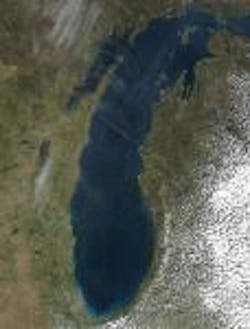
Four Illinois shoreline communities have joined together to resolve local sewage and stormwater overflow problems which frequently irritate residents by causing basement backups and sewage spills into Lake Michigan.
The formation of a sewer improvement consortium was announced and supported at the most recent monthly board meeting of the North Shore Sanitary District.
The four communities — Highland Park, Highwood, Lake Bluff and Lake Forest — have applied for an initial $3.5 million grant with the state's Democratic U.S. Sens. Richard Durbin and Barack Obama, along with U.S. Rep. Mark Kirk, R-Waukegan, requesting the funds in next year's federal fiscal budget through the U.S. Environmental Protection Agency's State and Tribal Assistance Grant (STAG).
The request of $3.5 million, matched with local contributions, is expected to cover the estimated cost of the initial phase of rehabilitation, as well as some emergency repairs.
The project will involve replacing deteriorating local stormwater and sewage "collector" pipes and tying them into the North Shore Sanitary District's regional interceptor system.
Overall project cost is estimated at $49 million and will take years to complete.
Local collector sewer and stormwater overflows and backups have been a serious concern to many for years. Some of these municipal storm sewers date back nearly a century and now are crumbling underground.
Wastewater from major rainfalls and snow melts, the type of water that does not need sanitary treatment, puts extra pressure on these deteriorating collectors causing flow diversion into sanitary sewers. In turn, this overwhelms local sanitary sewer capacities causing overflows and basement backups.
Discharge of untreated sewage can obviously have serious public health and environmental effects, particularly when it spills into Lake Michigan, a major source of drinking water for many who live in Lake County.
All four consortium communities own and operate their own local collector sewers and discharge into the North Shore Sanitary District's regional interceptor system. Once treated by one of three NSSD sanitary treatment plants at Highland Park, Gurnee or Waukegan, the cleansed water is then emptied into the Des Plaines River.
Source: The News-Sun