USDA Study Shows Farm Conservation Practices Help Protect Chesapeake Bay
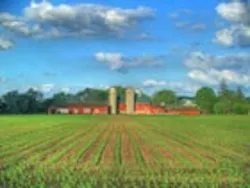
Effective use of conservation practices and systems by farmers in the Chesapeake Bay watershed are reducing sediment and nutrient losses from cultivated cropland. This week the U.S. Department of Agriculture (USDA) released a study, "Assessment of Conservation Practices on Cultivated Cropland in the Chesapeake Bay Region," which quantifies these environmental gains and identifies opportunities for further progress.
"Agriculture plays an important role in protecting water quality and maintaining economic stability in this watershed," said Dave White, chief of the USDA Natural Resources Conservation Service. "This study confirms that farmers are reducing sediment and nutrient losses from their fields. Our voluntary, incentives-based conservation approach is delivering significant and proven results. This study will help us improve our conservation practices in the Chesapeake Bay area."
The study also shows that there are opportunities for further reductions of sediment and nutrient losses from agriculture by focusing conservation activities on the most vulnerable acres. Well-managed farmland is among the best land uses for sustaining natural resources in the watershed. Conserving working lands will be instrumental in meeting objectives for a healthy Chesapeake Bay.
Key findings of the Conservation Effects Assessment Project (CEAP) study include:
• Conservation practices have reduced edge-of-field losses of sediment by 55%, nitrogen in surface runoff by 42%, nitrogen in subsurface flow by 31% and phosphorus by 40%; • Targeting enhances effectiveness and efficiency. Use of additional conservation practices on acres with a high need for additional treatment can reduce per-acre sediment and nutrient losses by more than twice that of treatment of acres with low or moderate conservation needs; and • Comprehensive conservation planning and implementation are essential. The study shows that the most significant conservation concern on cultivated cropland in the watershed is the loss of nitrogen by leaching and overland flow. Suites of conservation practices that include soil erosion and comprehensive nutrient management are required to address soil erosion and nutrient losses simultaneously.The CEAP results will be used to improve the focus on priority conservation needs and results in the Chesapeake Bay watershed.
Source: USDA