Kansas City to Spend $2.5 Billion to Cut Sewer Overflows
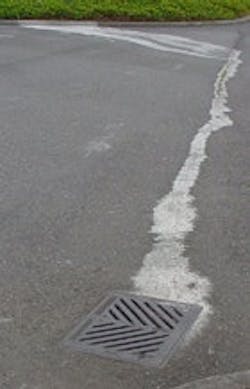
The city of Kansas City, Mo., has agreed to make extensive improvements to its sewer systems, at a cost estimated to exceed $2.5 billion over 25 years, to eliminate unauthorized overflows of untreated raw sewage and to reduce pollution levels in urban storm water, the Justice Department and U.S. Environmental Protection Agency announced.
A consent decree lodged in U.S. District Court for the Western District of Missouri, in Kansas City, Mo., requires the city to implement an Overflow Control Plan, which is the result of more than four years of public input. The plan is designed to yield significant long-term benefits to public health and the environment, and provide a model for the incorporation of green infrastructure and technology toward solving overflow issues.
When completed, the sanitary sewer system will have adequate infrastructure to capture and convey combined storm water and sewage to the city’s treatment plants. This will keep billions of gallons of untreated sewage from reaching surface waters.
“Today’s agreement will have positive, lasting effects on both public health and the environment. The agreement prioritizes neighborhood sewer rehabilitation projects in the urban core, reducing basement and other sewer backups and thereby significantly improving public health,” said Ignacia S. Moreno, assistant attorney general for the Justice Department’s Environment and Natural Resources Div. “The Justice Department is committed to enforcing our nation’s environmental laws so that the environment and the health of our communities are protected.”
“This is a landmark day in the history of Kansas City, Mo.,” said Karl Brooks, EPA regional administrator. “This agreement charts a course for the largest infrastructure project in the city’s history, and what we believe to be one of the largest municipal green infrastructure projects undertaken anywhere in the nation.”
Under the agreement, Kansas City will pay a civil penalty of $600,000 to the United States, in addition to the estimated $2.5 billion it will spend to repair, modify and rebuild its sewer system. The plan is also structured to encourage the city to use natural or engineered “green infrastructure,” such as green roofs, rain gardens and permeable pavement, to minimize storm water burdens on the improved system.
As part of the agreement, Kansas City will spend $1.6 million on a supplemental environmental project to implement a voluntary sewer connection and septic tank closure program for income-eligible residential property owners who elect to close their septic tanks and connect to the public sewer.
Source: U.S. EPA