Citizens Warned of Fecal Coliform in Flooded Areas
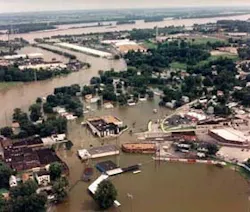
Flood water samples taken by the U.S. Environmental Protection Agency (EPA) within the city limits of Des Moines, Cedar Rapids, Hamburg and Burlington, Iowa, showed numbers of fecal coliform bacteria exceeding the health-based level of concern.
The level of concern is 200 colony forming units (cfu) per 100 mL. The sampling results ranged between 270 cfu/100 mL and 68,000 cfu/100 mL. The highest end of the range was found only in the Cedar Rapids area and is believed to be associated with the fact that the wastewater treatment plant is not operating.
Citizens should take precautions to stay out of all flood waters. Bacteria in the flood water can cause symptoms such as stomachache, fever, vomiting and diarrhea. General precautions to reduce contact with contaminated water include routine washing with soap and not eating or drinking while in contact with flood water.
Those exposed to fecal coliform (bacteria) can become ill if they have an open cut, wound or scrape that comes into contact with contaminated water. Symptoms include fever, redness and swelling at the site of an open wound. If these symptoms occur, a doctor should be consulted.
The EPA, Iowa Department of Natural Resources, Iowa Department of Health and Agency for Toxic Substances and Disease Registry advise the public to avoid direct contact with standing water when possible. If contact with contaminated water is made, persons should wash thoroughly with soap and water to clean exposed areas.
Source: U.S. EPA