U.S. EPA Reissues Construction General Permit
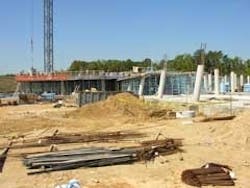
The U.S. Environmental Protection Agency (EPA) is reissuing a storm water construction general permit (CGP), which expired July 1, for a two-year time period. The permit will apply only where EPA is the permitting authority, which is in five states (Massachusetts, New Hampshire, New Mexico, Idaho and Alaska); Washington, D.C.; most territories; and most Indian country lands.
The CGP regulates the discharge of storm water from construction sites that disturb one acre or more of land, and from smaller sites that are part of a larger, common plan of development. The permit requires operators of the construction sites to use storm water controls and develop storm water pollution prevention plans to minimize the discharge of sediment and other pollutants associated with construction sites in storm water runoff.
Under the reissued permit, new dischargers include new construction sites that start construction on or after the effective date of this permit and those that have already started construction but do not have coverage under the 2003 CGP. Sites that have coverage under the 2003 CGP must continue to comply with the provisions of that permit and do not need to apply for coverage under this new permit.
The permit uses most of the same terms and conditions as EPA's 2003 permit. The EPA is coordinating the permit with a second effort that is underway to establish national clean water standards, known as an effluent limitation guideline, for the construction and development industry. Upon finalization of the guideline, the EPA plans to include its provisions in a new and improved five-year CGP to be reissued no later than July 2010.
For more information on the CGP, visit www.epa.gov/npdes/stormwater/cgp.
Source: U.S. EPA