Massachusetts Road Runoff Violates Federal Law
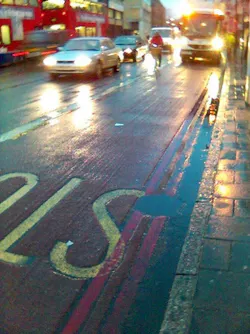
In a precedent-setting decision, a federal court judge has ruled that the Massachusetts Highway Department (MassHighway) violated federal clean water law by failing to develop an adequate storm water cleanup plan for its 2,500 miles of urban roads and bridges.
The decision, by Judge William Young, stems from a lawsuit filed by environmentalists charging MassHighway was not properly implementing a provision of the federal Clean Water Act requiring them to control and clean up polluted water that flows off roadways into neighboring lakes and streams. Rivers, streams and lakes throughout Massachusetts have serious water quality problems due to untreated storm water from state roads and bridges, the groups alleged.
After a six day trial, Judge Young ordered MassHighway to commit to a two-year schedule for adopting a new, revised storm water pollution cleanup plan. The judge also said the agency must quickly move to address pollution hot spots in Lancaster, Mass., and the Charles River watershed.
"The court's ruling is a landmark victory for every resident concerned about the impact this major source of water pollution has on their rivers, lakes and streams," said Chris Kilian, director of the Clean Water and Healthy Forests Program at the Conservation Law Foundation, one of three New England environmental groups that brought the lawsuit.
Polluted storm water is a significant factor in the ongoing failure of state rivers and lakes to achieve basic water quality standards. Rainwater that falls during storms flows off roads, picking up pollutants along the way (i.e., oil and grease; toxic metals such as zinc, nickel and lead; salt; and other de-icing chemicals). Unless steps are taken to control and treat the polluted storm water, it flows directly from roads into rivers, streams and lakes, affecting the health of the entire ecosystem.
"MassHighway has long ignored their legal responsibility to protect the Commonweath's water resources for the health of all residents," said Conservation Law Foundation Staff Attorney Cynthia Liebman who helped argue the case. "The Court has asked them to live up to that responsibility."
In 2006, the Conservation Law Foundation, the Charles River Watershed Association and the Leominster Land Trust filed the federal lawsuit to improve water quality in the state's water bodies. This came after the U.S. Environmental Protection Agency (EPA) ruled for a second time in as many years that the MassHighway's storm water cleanup plan was deficient and refused to issue the state agency a permit under the National Pollutant Discharge Elimination System.
In 2007, while the case was being prepared for trial, MassHighway resubmitted its plan and the EPA granted it tentative approval.
Source: Environment News Service