Scottish Highlands report warns of escalating flood, drainage and coastal erosion risks
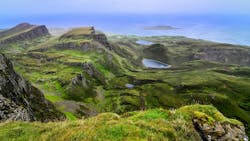
A regional climate partnership in Scotland is warning that the Scottish Highlands already face significant risks from flooding, coastal erosion and drought, and that urgent coordinated action from the public sector, businesses and communities is required to address them.
Highland Adapts, a nine-organization public sector partnership, published its Highland Climate Change Risk and Opportunity Assessment on March 4, finding that threats to the region are "real, interconnected, and accelerating." The 400-page report, partially funded by the Scottish Government and supported by Joseph Perry Consulting, projects impacts through the 2050s and 2080s.
"Opportunities arising directly from climate change are limited and uneven," said Keith Masson, Highland Adapts chair and head of net zero transition at Highlands and Islands Enterprise. "They do not offset the scale of the risks we face."
The assessment identifies flooding, subsidence, storms and extreme heat as current risks to people, infrastructure, the economy and ecosystems across the region. Within 25 years, the report said, cultural heritage, food systems, water supply and natural carbon stores will also be at high risk from the effects of climate change. Specific flood exposure is flagged for Beauly, Golspie, Nairn, Wick and Fort William, as well as the rivers Ness and Spey.
Wetter winters are projected to strain aging drainage systems in Wick, Dingwall and Inverness, exacerbate waterlogging in lowland agricultural soils and diminish carbon sequestration.
By the 2050s and 2080s, overheating in dwellings, care homes and workplaces is anticipated, with risks to mental health, wellbeing and life intensifying as more frequent extreme weather events place sustained pressure on roads, railways, airports and ferry infrastructure. Extreme weather is also expected to make outdoor events more difficult to plan and insure.
Case studies in the report document impacts of climate change that are already underway. Golspie, a Sutherland coastal village has seen much erosion.
"We've lost meters of shoreline,” Henrietta Marriott, chair of the Golspie Flood Action Group, said. “The original golf clubhouse is now 30 meters out to sea, and the caravan park is within inches of being taken by the sea. If the worst-case scenario comes to pass … in 100 years time, this village could have to move."
The Flow Country, a UNESCO World Heritage blanket bog and the world's largest and most ecologically intact of its kind, faces mounting pressure from hotter summers, higher wildfire risk and heavier winter rainfall, the report found.
Wildfire risk is expected to increase in frequency and intensity. Rising temperatures are projected to reduce crop yields and threaten productivity in the whisky and aquaculture sectors.
The report calls for coordinated regional action across the public sector, businesses, landowners and communities, flagging that siloed decision-making is "no longer just inefficient, but a potential liability." It identifies collaboration options across all 50 assessed risks and opportunities.
Highland Adapts was founded in 2021 by Highland Council, Highlands and Islands Enterprise, NHS Highland, NatureScot, Forestry and Land Scotland, Zero Waste Scotland, Changeworks, Highlands and Islands Climate Hub and Verture.