Help Protect Our Groundwater With These Helpful Tips
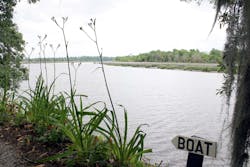
Groundwater filters through permeable surfaces and underground spaces between sand, gravel and cracks in rock in geological formations called aquifers. More than 90% of all public drinking water systems rely on groundwater to supply the population with drinking water. Aquifers also provide water for lakes and replenish streams and rivers.
Groundwater supplies vary from one area to another. Local communities are responsible for protecting a community’s groundwater supply, and they do this through rules and regulations.
The 13th annual National Groundwater Awareness Week is designed to educate the public about the importance of groundwater and water well stewardship. Every person can take action to preserve and protect groundwater for human and environmental needs. Some specific actions residents can take to protect the quality of our groundwater include:
· Don’t pour harmful substances down your drain or toilet. These substances can eventually enter our aquifers and contaminate groundwater. In addition, water treatment plants are not designed to dispose of products that contain hazardous substances such as medications.
· Put trash in its proper place. Carelessly discarded materials, such as packaging and plastic bags, are top offenders to water pollution.
· Pick up pet waste. The waste contains bacteria and parasites and when washed into lakes, streams and rivers, the waste decays and can lead to poor water quality.
· No dumping allowed. Hazardous wastes that are dumped or buried in the ground can contaminate the soil and filter into groundwater or be carried into a nearby body of surface water by runoff during rainstorms.
· Limit your purchases of a hazardous product. Only buy products you need and substitute a non-hazardous product when possible.
The U.S. EPA offers the Citizen's Guide to Ground Water Protection PDF, which encourages citizens to a take an active and positive role in protecting their community's groundwater supplies.