How to prevent stormwater contamination this winter
Key Highlights
- Winter conditions cause freeze-thaw cycles that dislodge sediments and damage aging stormwater infrastructure, increasing pollution risks.
- Deicing materials, especially chlorides, accumulate in waterways, disrupting ecosystems and reducing natural self-purification processes.
- Frozen soils and surfaces hinder infiltration and cause overland runoff, challenging BMP performance and increasing erosion potential.
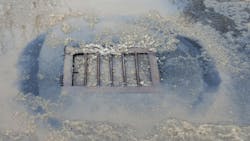
To prevent winter stormwater contamination, it is critical to understand how winter conditions intensify pollutant risks. As temperatures swing above and below freezing, freeze-thaw cycles dislodge sediments and strain an already aging infrastructure. These dynamics increase the chance of untreated runoff entering nearby waterways, especially when frozen ground limits infiltration.
Deicing materials like salt and sand compound the problem by introducing chlorides and heavy metals into the system. Reduced maintenance windows during storms or extreme cold make it harder to inspect or repair critical structures. These factors turn winter into one of the highest-risk periods for stormwater pollution and system overload.
Winter pollutant sources beyond the obvious
Chlorides from brines and other mixed deicing agents pose one of the most persistent winter runoff threats. As chloride concentrations rise in receiving waters, they interfere with the natural self-purification processes that keep ecosystems balanced. Microbial communities responsible for breaking down nutrients and organic waste become less effective, reducing the system’s ability to recover after contamination events. Because chlorides do not degrade like many organic pollutants, their buildup creates long-term stress in watersheds.
Winter also brings a sharp increase in other contaminants during the first flush of snowmelt. Hydrocarbons from vehicle drips and excess nutrients accumulate on frozen surfaces, only to surge downstream during early thaw events. Sediment and debris in snow storage piles or pushed aside by plows are released in concentrated bursts. Without proactive control, these pollutants often bypass traditional best management practices (BMPs) and enter waterways untreated.
Freeze-thaw impacts on BMP performance
Frozen soils create major runoff challenges during winter by blocking infiltration and rerouting flow. When the ground is impermeable, stormwater travels overland instead of filtering through soil, bypassing engineered treatment systems like infiltration basins and filter strips. These redirected flows increase volume and velocity, which raises the chance of pollutant loading and erosion. Even well-designed systems struggle to perform under these conditions, especially when frozen surfaces cause uneven drainage and unintended flow paths.
Winter conditions also stress green infrastructure components. Permeable pavements often suffer from cracking or surface icing, while bioretention media may freeze solid and lose function. In communities with aging infrastructure, outdated pipes are a growing concern. Over 700 U.S. communities face major health risks tied to deteriorating stormwater and drinking water systems. Inspections after storms frequently reveal clogged inlets and compromised structures.
Design and maintenance adjustments to prevent winter stormwater contamination
Inspection routines must adapt to winter’s changing conditions. Stormwater teams should inspect key structures before and after significant snow events. Pre-storm checks help identify vulnerable inlets or components at risk of blockage. Post-event reviews spot ice buildup or damaged parts that reduce flow efficiency and pollutant capture.
Preventing winter stormwater contamination also requires physical protection strategies. Forebays and outlet structures need shielding from ice intrusion, often with temporary covers or diversion features. Snow storage should be planned carefully, never placed near or uphill from treatment systems. Poorly located piles can release high concentrations of salt and debris directly into BMPs during melt, which overwhelm their capacity and shorten their lifespan.
Managing snowmelt as a high-risk discharge event
Late-winter melt events often carry a heavier pollutant load than rainfall due to the accumulation of contaminants in snowpack over time. Snow absorbs heavy metals and sediment throughout the season. When a rapid thaw occurs, these pollutants are flushed out all at once, creating a concentrated surge of runoff. This first major flow can overwhelm BMPs and lead to unfiltered discharge. In regions with mountainous terrain, snowmelt becomes the dominant runoff source, especially for properties located downslope where meltwater naturally collects and flows.
Controlled melt management is essential to prevent winter stormwater contamination. Strategies include using trenches or temporary basins to slow and capture meltwater before it reaches sensitive structures. Snow should be piled in areas where flow can be directed through filtration or settling zones. Successful implementation depends on clear coordination between maintenance crews and compliance teams. Each group monitors system response and ensures that winter runoff is handled safely and within regulatory limits.
Reducing chloride loads in a cold-climate municipality
The City of West Des Moines, Iowa, previously relied on broad regional weather forecasts to manage winter road treatments across its 850 lane miles. This generalized approach often resulted in excessive salt application, leading to unnecessary chloride pollution entering local stormwater systems. Over-salting strained budgets and contributed to long-term impacts on nearby ecosystems during late-season melt when runoff is at its most concentrated.
To address this, the city outfitted its snowplows with mobile sensors that collect real-time data on road surface temperature and friction. This localized intelligence allowed operators to make precise treatment decisions tailored to actual road conditions. As a result, the city reduced its overall salt use by more than 30%, with a goal of reaching a 35% to 40% reduction. Despite cutting back on materials, the city maintained its existing safety standards, demonstrating how data-driven winter operations can prevent winter stormwater contamination.
Regulatory and stakeholder considerations
Aligning winter stormwater practices with regulatory frameworks helps maintain permit compliance and meet total maximum daily load targets. Many pollutants released during winter, like chlorides and metals, are covered under municipal separate storm sewer system requirements. Winter operations must be documented clearly, with updated deicing strategies and snow storage practices. Having defensible documentation helps demonstrate due diligence and system accountability, especially when pollutant thresholds are at risk.
Despite these requirements, many cities face institutional gaps that complicate winter stormwater planning. Stormwater management is inherently transdisciplinary, overlapping public works and private contractors. Yet in many municipalities, there is still no clear institutionalization of services or assignment of responsibilities across teams. Communicating winter controls effectively, especially to public works crews and external contractors, requires formal protocols and routine cross-department training. Without that clarity, even the best BMPs can fall short of regulatory expectations.
Turning winter from a liability into a managed season
Winter contamination is predictable and manageable with the right planning. Stormwater professionals should treat winter controls as a core element of their management programs, not a seasonal afterthought. Strong winter strategies help prevent winter stormwater contamination while supporting long-term gains in water quality and regulatory confidence.
About the Author
Emily Newton
Editor -in-chief
Emily Newton is editor-in-chief of Revolutionized. Newton can be reached at [email protected].