Heavy rainfall and flooding grip pacific northwest as atmospheric rivers unleash widespread impacts
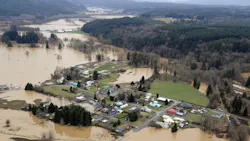
Severe flooding continues to unfold across the Pacific Northwest as a persistent atmospheric river drenches the region with record rainfall, swelling rivers, inundating communities and stressing stormwater systems in Washington and Oregon. The event has prompted emergency declarations, evacuations, water rescues and significant infrastructure strain amid forecasts of additional rain and runoff.
Washington Governor Bob Ferguson declared a statewide emergency as rivers including the Skagit, Snoqualmie, Cedar and Snohomish rise to near- or record flood levels following sustained heavy rain. The declaration enables rapid state mobilization and access to federal disaster funds, while the National Guard is assisting with response operations.
What is the atmospheric river?
The atmospheric river, described as one of the most intense in decades, has dropped 10 inches or more of rain in parts of western Washington, causing mudslides, road washouts, power outages and widespread flooding. Thousands of residents have been evacuated, and emergency responders are conducting water rescues in areas where homes and streets have been overtopped by floodwaters.
Meteorological analysis shows the event stems from a moisture-laden atmospheric river carrying trillions of gallons of precipitation, with additional storms and runoff expected to persist into the coming week. Rivers that drain the Cascades and lowland basins are forecast to stay in major flood stage, complicating stormwater management and emergency planning.
Across the region, impacts extend to major urban and rural infrastructure: transportation corridors have been closed due to floodwater and mudslides, localized flash floods threaten low-lying neighborhoods, and combined stormwater systems face overwhelming volumes that exceed design capacities. Communities reliant on aging stormwater and drainage networks are confronting the challenges of managing heavy runoff while also protecting public safety.
What it means for the industry
For stormwater professionals, the ongoing event highlights the importance of resilient infrastructure planning and adaptive stormwater strategies capable of handling extreme precipitation linked to atmospheric river events. Continued monitoring, emergency response coordination and investments in flood mitigation remain critical as the Pacific Northwest navigates this historic flood episode.
About the Author

Alex Cossin
Associate Editor
Alex Cossin is the associate editor for Waterworld Magazine, Wastewater Digest and Stormwater Solutions, which compose the Endeavor Business Media Water Group. Cossin graduated from Kent State University in 2018 with a Bachelor of Science in Journalism. Cossin can be reached at [email protected].