EPA announces $9.75 million in BEACH Act funding for water quality monitoring
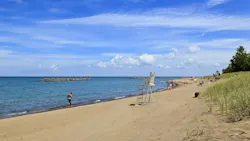
The U.S. Environmental Protection Agency announced nearly $9.75 million in grant funding through the Beaches Environmental Assessment and Coastal Health (BEACH) Act to support beach water quality monitoring and public notification programs across coastal and Great Lakes states, Tribes and territories.
The funding will help local agencies test recreational waters for elevated bacteria levels and issue advisories or closures when conditions are unsafe for swimming. EPA said the grants are intended to support public health protections while helping beach communities maintain tourism and recreation economies during the summer season.


“The Trump EPA is investing in clean water for all Americans this summer. By providing millions of dollars to keep swimmers safe, we are supporting strong beach community economies with our state and Tribal partners,” said Paige Hanson, chief financial officer and chief administrative officer for the EPA, in a press release. “American families can kick off the summer this weekend with peace of mind as they visit our nation’s beautiful beaches to play in the water and relax with friends.”
Among the largest allocations are $478,000 for Florida, $477,000 for California and $373,000 for Texas. Great Lakes states including Michigan, Ohio and Wisconsin also received funding, along with several Tribal nations.
The BEACH Act program supports monitoring efforts tied to stormwater runoff, sewage overflows and other bacterial contamination sources that can affect recreational waters after heavy rainfall events. Eligible recipients must maintain EPA-approved recreational water quality standards and meet federal performance criteria for monitoring and public notification programs.