EPA Proposal Cuts Carbon Pollution From Power Plants
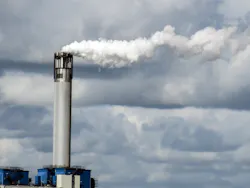
The U.S. Environmental Protection Agency (EPA) released the Clean Power Plan proposal, which for the first time cuts carbon pollution from existing power plants, the single largest source of carbon pollution in the U.S. The proposal will protect public health, move the U.S. toward a cleaner environment and fight climate change while supplying Americans with reliable and affordable power.
With the Clean Power Plan, EPA is proposing guidelines that build on trends already underway in states and the power sector to cut carbon pollution from existing power plants, making them more efficient and less polluting. This proposal follows through on the common-sense steps laid out in President Obama’s Climate Action Plan and the June 2013 Presidential Memorandum.
By 2030, the steady and responsible steps EPA is taking will:
- Cut carbon emission from the power sector by 30% nationwide below 2005 levels; Cut particle pollution, nitrogen oxides and sulfur dioxide by more than 25% as a co-benefit;
- Avoid up to 6,600 premature deaths, up to 150,000 asthma attacks in children, and up to 490,000 missed work or school days—providing up to $93 billion in climate and public health benefits; and
- Shrink electricity bills roughly 8% by increasing energy efficiency and reducing demand in the electricity system.
The Clean Power Plan will be implemented through a state-federal partnership under which states identify a path forward using either current or new electricity production and pollution control policies to meet the goals of the proposed program. The proposal provides guidelines for states to develop plans to meet state-specific goals to reduce carbon pollution and gives them the flexibility to design a program that makes the most sense for their unique situation.
Also included in the proposal is a flexible timeline for states to follow for submitting plans to the agency—with plans due in June 201, with the option to use a two-step process for submitting final plans if more time is needed. States that have already invested in energy efficiency programs will be able to build on these programs during the compliance period.
EPA will accept comment on the proposal for 120 days after publication in the Federal Register and will hold four public hearings on the proposed Clean Power Plan during the week of July 28 in the following cities: Denver, Atlanta, Washington, D.C., and Pittsburgh. Based on this input, EPA will finalize standards next June following the schedule laid out in the June 2013 Presidential Memorandum.
Source: EPA