EPA begins $12 million sediment cleanup at Michigan recreation area
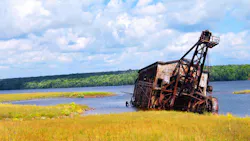
The U.S. Environmental Protection Agency has launched a $12 million sediment remediation project at the Lake Linden Recreation Area in Michigan's Torch Lake Area of Concern, targeting legacy contamination linked to decades of copper mining operations.
The cleanup will remove approximately 13,300 cubic yards of sediment contaminated with lead, zinc and polychlorinated biphenyls (PCBs). Following dredging activities, the site will be restored with clean backfill material and sand.
While the Lake Linden campground and marina will remain open during construction, public access to the beach area will be closed throughout 2026. EPA is also advising boaters to avoid active work zones on the water.
The project is funded through the Great Lakes Restoration Initiative in partnership with Honeywell International Inc. under the Great Lakes Legacy Act cost-share program. EPA and Honeywell will also evaluate future remediation options for the nearby Hubbell Processing Area of Torch Lake.

The work is part of broader restoration efforts within the Torch Lake Area of Concern, one of 23 U.S. locations identified under the Great Lakes Water Quality Agreement as having significant environmental degradation. Historic copper mining operations that began in the 1840s and continued until 1968 left an estimated 200 million tons of mining waste, known as stamp sands, in and around Torch Lake.
EPA said the cleanup will help advance long-term restoration goals for the watershed. As remediation projects are completed and environmental monitoring demonstrates improvement, restrictions such as fish and wildlife consumption advisories could be reevaluated. For stormwater and watershed professionals, the project highlights continued efforts to address contaminated sediments and legacy pollution sources that affect water quality throughout the Great Lakes region.