Sustainable plantings as functional stormwater infrastructure: Scientific performance, pollutant removal and native species from the water's edge downstream
Key Highlights
- Native plantings effectively reduce sediment, nitrogen, and phosphorus loads, improving downstream water quality and reducing eutrophication risks.
- Vegetated buffers and littoral zones increase hydraulic roughness, dissipate flow energy, and stabilize banks, enhancing long-term infrastructure resilience.
- Shading and thermal regulation by emergent vegetation support higher dissolved oxygen levels, benefiting aquatic ecosystems and reducing hypoxic events.
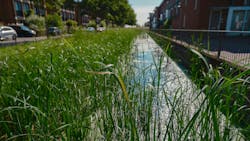
Municipal stormwater programs across the Southeast have entered a new era where biological solutions are increasingly recognized as critical infrastructure. The long-standing tradition of relying solely on pipes, rock-based stabilization, mechanical controls, and structural BMPs is giving way to a more integrated understanding of how nature-based systems support engineered systems. Sustainable aquatic and riparian plantings installed intentionally at the water’s edge and extended downstream into connected conveyances now demonstrate quantifiable pollutant removal, hydraulic benefits, slope stabilization, and long-term performance improvements that support municipal compliance with National Pollutant Discharge Elimination System (NPDES) permits and watershed protection goals.
This shift has occurred in part because plant-based BMP augmentation is supported by strong research and coordinated education led by Clemson Extension, the Carolina Clear program, and the South Carolina Department of Environmental Services. These organizations have helped municipalities, contractors, and engineering teams recognize that plants perform measurable water quality functions that cannot be fully replicated by structural approaches alone. When correctly selected and installed, they intercept sediment, remove nutrients, reduce thermal loading, improve dissolved oxygen, dissipate flow energy, and extend the lifespan of every downstream asset.
The following sections provide a technical overview of how sustainable plantings operate as water treatment systems, how they affect downstream water quality, and which South Carolina native species offer the strongest functional performance.
The scientific basis for plant based stormwater treatment at the water’s edge
The soil to water interface functions as a natural biogeochemical filter. Plants rooted in this boundary zone initiate a series of treatment processes that begin the moment stormwater enters a pond, channel, or BMP footprint. The following mechanisms are most relevant for municipal water quality performance.
Sediment interception and trapping
Stormwater entering a vegetated margin experiences immediate reduction in velocity. This encourages the settling of suspended particles and reduces the distance that sediment travels into open water.
Peer-reviewed studies show that vegetated littoral shelves and planted buffer zones can remove:
- Fifty to eighty% of suspended sediment loads depending on slope, vegetation density, and hydrologic load
• Sixty percent average reduction in turbidity during moderate flow events
• Up to 70% reduction in bank erosion when slope rooting density exceeds certain thresholds
These reductions play a central role in maintaining long-term pond capacity and reducing the frequency of expensive municipal dredging cycles.
Nitrogen and phosphorus uptake
Native emergent plants absorb nutrients for growth, significantly reducing the nitrogen and phosphorus available to fuel algal blooms.
Published research from southeastern stormwater wetlands notes that:
- Nitrogen removal ranges from 25- 45% depending on plant community composition and retention time
- Orthophosphate reductions average 15-30%
- Sediment bound phosphorus reductions can reach nearly 50% when root systems stabilize shallow soils and prevent resuspension
Live vegetative uptake combines with microbial nitrification and denitrification occurring in the rhizosphere, creating a layered nutrient reduction effect.
Hydraulic roughness and flow energy dissipation
Plant stems, roots and seasonal biomass increase roughness coefficients within shallow flow paths. This reduces erosive shear stress and stabilizes channel geometry.
Studies show that planted buffer zones can:
- Reduce peak shear stress along banks by 40% or more
- Slow shallow flow by up to 50% depending on stem density
- Reduce downstream bank undercutting and localized scour
For small urban channels, hydraulic roughness is essential for long term stability.
Thermal and oxygenation benefits
Shading from emergent vegetation plays a major role in moderating water temperature. Cooler water holds more dissolved oxygen and improves aquatic ecosystem function.
Vegetated pond edges consistently demonstrate:
- Three to six degrees Fahrenheit lower temperature during summer months
- Ten to twenty percent higher dissolved oxygen in vegetated margins
- Reduced risk of hypoxic events that trigger fish kills or algae outbreaks
These improvements support municipal performance objectives and public satisfaction.
Downstream benefits created by plantings installed at upstream edges
Stormwater behavior follows a cascading principle. Improvements at the pond edge or small upstream BMP often result in measurable improvements in every downstream reach of the system.
Reduced sedimentation downstream
Stable banks and rooted littoral shelves significantly reduce sediment loading into downstream culverts, pipes, and ditches. This slows the rate of channel incision and reduces the frequency of municipal maintenance.
Reduced nutrient transmission
Nitrogen and phosphorus intercepted at the edge do not have the opportunity to accumulate downstream where they can trigger eutrophication and harmful algal blooms. Municipalities operating within TMDL regulated watersheds see measurable compliance benefits when large upstream acreage includes vegetative stabilization.
Increased longevity of engineered infrastructure
Every pound of sediment captured upstream is one less pound deposited into downstream structures. Sustainable plantings protect pipe inlets, risers, level spreaders, outlet protection structures, and stormwater conveyances by reducing sediment abrasion and deposition.
Reduced frequency of corrective maintenance
Slope stability provided by plant root networks reduces failures associated with bank sloughing, animal burrowing, and hydrostatic undercutting. This reduces the long-term maintenance load on municipal public works departments.
Specific South Carolina native species and their functional roles: A scientific and biological perspective
South Carolina’s climate, hydrology, and soil structure support an exceptionally diverse range of emergent, riparian, and littoral species that function not only as vegetation but as living components of stormwater treatment systems. Each native species contributes through biological pathways that directly affect pollutant removal, sediment stabilization, hydraulic performance, and long-term system resilience. Clemson Extension and regional stormwater research programs consistently highlight these species because of their proven ability to perform within engineered BMPs, even under fluctuating hydrologic and nutrient conditions.
What follows is a deeper scientific exploration of each commonly used native species, including their root morphology, biogeochemical contributions, hydraulic properties, and ecological utility within municipal stormwater systems.
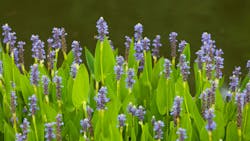
Pickerelweed (Pontederia cordata)
Pickerelweed is one of the strongest biological performers in shallow littoral zones. It conducts significant nitrogen assimilation through rapid biomass production, particularly during peak growing months when nutrient loads are highest. Its root system consists of dense fibrous matrices that bind the upper sediment layer and prevent resuspension during inflow events. These root structures create microhabitats where denitrifying bacteria thrive, enhancing microbial conversion of nitrate into nitrogen gas. Pickerelweed also provides surface shading that reduces thermal loading in the upper water column and minimizes algal growth. Its wide leaf surface area slows surface velocity, increases contact time, and encourages sediment deposition in the first few feet of the littoral shelf.
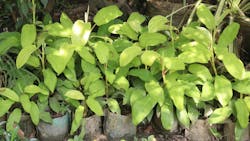
Arrow Arum (Peltandra virginica)
Arrow Arum is highly adaptive to fluctuating hydroperiods, making it ideal for stormwater ponds that experience rapid changes in water elevation. Its rhizomes penetrate deeply into cohesive soils, reducing shear stress and preventing lateral bank failure. The plant’s stiff petioles and broad leaf architecture create physical baffling during inflow events, which slows water and allows suspended particles to settle. Arrow Arum is particularly valuable in semi shaded shorelines where many emergent species lose vigor, yet this plant maintains robust growth due to its broad tolerance of light conditions. Its thickened rhizomes store carbohydrates, allowing regrowth even after prolonged inundation or seasonal drought, which is critical for maintaining continuous vegetative cover.
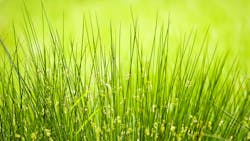
Soft Rush (Juncus effusus)
Soft Rush is among the strongest sediment trapping species used in southeastern BMP design. It has a cylindrical upright stem structure that acts as a frictional barrier, significantly increasing hydraulic roughness in areas where shallow flows enter forebays or pocket wetland cells. Its stems slow the velocity of sheet flow and channelized inflow, causing suspended sediment to drop out before it reaches deeper basin zones. The root system of Soft Rush is composed of wiry, densely packed roots that stitch the soil surface together, preventing undercutting during repeated inflow cycles. This plant also provides continual nutrient uptake throughout the year because of its evergreen or semi evergreen growth pattern, creating a stable nutrient sink even during winter months when other emergent plants are dormant.
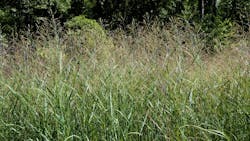
Maidencane (Panicum hemitomon)
Maidencane is a rhizomatous grass that forms expansive colonies capable of stabilizing long shorelines and flattening hydraulic energy across the littoral zone. Its root structure includes highly branched lateral rhizomes that can extend outward several feet, binding soils and preventing shallow slope failures. Because Maidencane forms dense monocultural stands, it provides extensive sediment trapping, root mass stabilization, and long-term erosion control. It also facilitates nutrient uptake by cycling nitrogen and phosphorus into both aboveground biomass and underground rhizome tissue. This makes it particularly effective in BMPs with frequent nutrient loading from fertilizers, turf runoff, or organic debris. Maidencane additionally supports microbial communities in its rhizosphere that enhance ammonia transformation and overall sediment health.
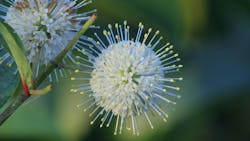
Buttonbush (Cephalanthus occidentalis)
Buttonbush is a woody wetland shrub that contributes a structural dimension not provided by herbaceous emergent species. Its deep anchoring roots penetrate multiple soil horizons, providing slope stability and resisting failure during seasonal high water events. From a biological perspective, Buttonbush generates complex root pathways where beneficial bacteria colonize, supporting nutrient processing and organic matter decomposition. Its spherical flowers support diverse pollinator species, which contribute to ecological health around stormwater facilities. Because Buttonbush withstands periodic prolonged inundation, it is particularly valuable near riser structures, outlet zones, and deeper embankment transitions where other plants may drown. Its canopy also provides shading that limits algal formation at pond edges and moderates temperature during peak summer months.
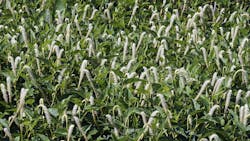
Lizard’s Tail (Saururus cernuus)
Lizard’s Tail is known for thriving in slow moving or semi stagnant water, environments where nutrient concentrations often peak. Its leaves and stems intercept particulate bound nutrients, while its root systems stabilize fine sediments that are easily mobilized. Lizard’s Tail has a high rate of phosphorus assimilation relative to other emergent species, making it an important biological tool in reducing phosphorus accumulation that leads to algal growth. It spreads gradually by rhizomes, creating dense clusters that trap organic matter and encourage beneficial microbial decomposition. Its intolerance of high velocity water also makes it a natural indicator of where stormwater energy is appropriately moderated by vegetation, giving inspectors a biological cue regarding hydraulic performance.
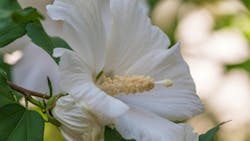
Swamp Hibiscus (Hibiscus grandiflorus), Fireflag (Thalia geniculata), and Seashore Mallow (Kosteletzkya pentacarpos)
These species operate as a suite of multifunctional BMP plants. Swamp Hibiscus contributes strong vertical rooting and substantial biomass, allowing it to sequester nitrogen and phosphorus while providing canopy shading that reduces water temperature. Fireflag is one of the most nutrient aggressive species, capable of rapid nitrogen uptake through large, paddle-like leaves that increase transpiration and nutrient cycling. Its stems create hydraulic drag, improving sediment deposition at forebay edges. Seashore Mallow provides fibrous root stabilizing action in brackish or variable salinity conditions common in coastal counties. These flowering species also create an educational benefit because they draw public attention to the planted areas and support pollinator species that increase overall ecosystem stability.
Each of the species listed above contributes to stormwater system performance through unique biological mechanisms. Their combined functions include nutrient uptake, sediment stabilization, microbial enhancement, habitat creation, thermal moderation, and increased hydraulic roughness. When selected and installed intentionally, native vegetation becomes a living component of municipal infrastructure, improving water quality and supporting long term regulatory compliance.
Practical implementation framework for municipal teams
Successful plant-based stormwater improvements follow a predictable sequence. Municipalities that integrate these steps into their planning see the best outcomes.
- Step one involves detailed site assessment including slope measurements, hydrologic loading, water depth distribution, shade exposure, and soil composition.
- Step two involves species selection based on precise functional goals such as erosion control, nutrient removal, or flow dissipation.
- Step three includes intentional layout design using multi-tiered terraces or clustered patterns that mirror natural wetland function.
- Step four requires establishment maintenance during the first growing season. Without adequate watering and invasive species control, plant failure rates increase significantly.
- Step five involves ongoing annual assessment and adaptive infill strategies that maintain long term system performance.
This framework aligns effectively with NPDES municipal program requirements and provides measurable improvements that can be included in annual reporting.
A combined regulatory and ecological momentum
Clemson Extension, the Carolina Clear program, and SCDES have collectively elevated plant-based BMP enhancement from an optional practice to a recognized statewide asset. Their guidance provides municipalities with a scientifically supported and operationally realistic blueprint for implementation.
Municipal superintendents and engineers adopting these strategies are finding that sustainable plantings improve water quality, strengthen infrastructure resilience, reduce long term maintenance costs, and support compliance across large and complex drainage networks.
Clean water begins where stormwater first touches the pond's bank. The most effective filtration systems begin not with steel or concrete, but with living roots, leaves, and ecological processes that are designed to work with water rather than against it.
About the Author
Joseph Garavelli
Joseph Garavelli is the founder and senior environmental consultant at EcoTactics, specializing in erosion control, stormwater systems, and water quality solutions throughout South Carolina. He also provides consulting support for Ecological Improvements on environmental and infrastructure-related projects.