UK Study Shows Microplastic from Tires Threaten Waterways
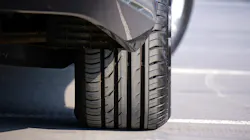
A recent government-funded study in the UK has confirmed that vehicle tires are a significant source of microplastic pollution in the country's waterways and oceans.
While microbeads in cosmetics and the degradation of larger plastic items like shopping bags, bottles, and disposable drinking straws have been well-publicized sources of microplastics in recent years, this study is one of the first to identify tire particles as a major source of microplastic pollution.
Since the ban on microbeads in personal care products came into effect in early 2018, the government has looked for more information on other sources of microplastics. The study, funded by the UK Department for Environment, Food and Rural Affairs (Defra) and led by the University of Plymouth, set out to provide data on the pathways and distribution of two less-well studied sources of microplastics—synthetic fibers and tire particles.
The study shows that tire particles can be transported directly to the ocean through the atmosphere or carried by rainwater into rivers and sewers, where they can pass through the water treatment process. Researchers estimate this could place around 100 million square meters of the UK's river network—and more than 50 million square meters of estuarine and coastal waters—at risk of contamination by tire particles.
Domestic Marine Minister, Rebecca Pow, said, "Reducing plastic pollution in the ocean is one of the greatest environmental challenges that we face. This study will help us face that challenge by identifying areas for future research, such as changes to roadside drainage and textile design."
Professor Richard Thompson, Head of the International Marine Litter Research Unit, who led the study, said, "Scientists have long suspected that tire debris is posing a hidden threat to the marine environment. However, there have been few studies measuring abundance in aquatic environments. Now we have a clearer indication on quantities, we need to gain a better understanding on transport in the environment and the potential impacts on marine life. This study gives us a real insight into the importance of tire wear as a source of microplastics. However there are still many unknowns, and compared to other forms of microplastics, we know relatively little about tire wear particles. So it is important to continue to take steps to reduce emissions of better-understood sources like fibers from textiles and the fragmentation of larger items.
"What this study also does is provide further evidence of the complex problems posed by microplastic pollution. We have looked at three pathways and shown that all of them are substantive pathways to the environment. As we work to understand their potential distribution and impacts it is important to also work together with industry and policymakers to identify potential solutions which may include changes in behavior, changes in product design, and waste management."
Defra is continuing to invest in research on waste management, ocean littering, and microplastics to support the delivery of the UK's 25 Year Environment Plan and the United Nations Sustainable Development Goals. This research will help identify evidence gaps and recommendations to tackle marine plastic pollution, both in the UK and globally.