EPA Updates Clean Water Act Section 401, Conservation Advocates File Complaint
The US Environmental Protection Agency (EPA) has published the Clean Water Act (CWA) Section 401 Certification Rule in the Federal Register, updating and clarifying procedural requirements for water quality certification. The rule was proposed in August 2019 in response to Executive Order 13868, which directed EPA to review and update CWA Section 401 with the goal of promoting and expediting the construction of oil, coal, and natural gas infrastructure projects.
Under Section 401, in order to apply for a federal permit to conduct any activities that may result in a discharge to navigable waters, applicants must receive a water-quality certification or certification waiver from the applicable state or Tribe authority. The certification verifies the proposed activity will comply with water-quality standards.
States and Tribal authorities (certifying authorities) waive the certification if they don't act "within a reasonable period of time (which shall not exceed one year)” after receiving a request for certification, but in practice, many exceed this timeline. Some states have also used environmental concerns beyond water quality to block or delay projects.
Some of the changes implemented in the final rule, which will go into effect on September 11, 2020, include:
- Scope: Although the rule clarifies that discharge does not need to involve pollutants to trigger Section 401 (it is triggered by any unqualified discharge), certifying authority must be limited to water quality impacts from point source discharge and may not include any conditions unrelated to the discharge, like greenhouse gasses or other environmental concerns.
- Federal Oversight: The federal agency issuing the permit is responsible for enforcing the certification conditions. Although all certifying authorities can inspect the facilities, the relevant federal agency must be notified of any violations and is solely responsible for enforcing any conditions included in a certification.
- Timing: The rule clarifies that the one-year timeline begins on receipt of the application by the certifying authority, whether or not the certifying authority determines the application is complete. Additionally, federal agencies determine a "reasonable period of time."
- Conditions: If a certifying agency wants to place conditions on a certification, it must provide an explanation and evidence for why the condition is necessary to ensure the proposed discharge will comply with water-quality regulations. Conditions that lack the required supporting information will be considered waived (a waived condition does not result in waiver of the entire certification).
For more detail and information on key changes, visit The National Law Review.
In response to the final rule, a number of fishing, conservation, and paddling advocates have filed a complaint in federal court to challenge the US Environmental Protection Agency's (EPA) Final Clean Water Act Section 401 Certification Rule. The groups argue that the rule sidelines the roles states, tribes, and the public have long played in permitting decisions affecting clean water.
“With this rule change, the Trump administration has given corporations the green light to run roughshod over local communities, and has proven it is more interested in corporate rights than states’ rights,” said Andrew Hawley, attorney at the Western Environmental Law Center said in a press release. “The judicial branch must intervene to preserve some semblance of balance in our nation. What an opportunity for the courts here: To stop this flagrant overreach steamrolling states and Tribes while preserving an essential public health and clean water protection.”
The organizations argue the rule guts the Clean Water Act’s Section 401 provisions, which for nearly 50 years have provided for states’ and authorized Tribes’ self-determination in permitting for a wide array of projects requiring federal approval within their borders. They also accuse the rule of suppressing state and Tribal public participation processes.
"Now is not the time to be rolling back protections for our rivers and clean water," said Chris Williams, senior vice president for conservation at American Rivers. "We need to be doing more, not less, to ensure healthy rivers can provide clean drinking water and support strong communities and local economies. The Trump administration’s unlawful new 401 rules abandon the Clean Water Act’s commitment to providing a voice for Tribes, states, and communities in how their rivers and streams are protected and managed, allowing potentially harmful projects to escape critical local review. We must protect the rights of states and Tribes to defend clean water safeguards."
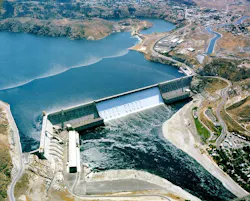
“The rule changes will have a long-term and devastating effect on California’s ability to manage its clean water resources,” said Redgie Collins, staff attorney at California Trout. “Unless changed, this gives hydroelectric dam operators the ability to skirt State Water Board regulations that protect the health, safety, and welfare of all Californians.”
This rule change is separate from rollbacks to the Waters of the US Rule (WOTUS), which eliminates protections for many waterbodies throughout the country, but conservation groups argue it is an equally dangerous threat to clean water and public health nationwide: Section 401 applies broadly to any proposed federally licensed or permitted activity that may result in a discharge into any waterway that is covered under the law.
"These new regulations are a brazen attack on the Clean Water Act with the goal of undermining the public’s ability to protect our rivers from harmful impacts of federally-licensed energy projects on the environment and outdoor recreation," said Bob Nasdor, American Whitewater legal director. “Rather than protecting and restoring our rivers, these rules will weaken water quality by limiting the information, time for review, and ability of the states to require that projects meet state standards.”
The final rule's supporters argue that the changes and updates "promote consistent implementation of CWA Section 401 and regulatory certainty in the federal licensing and permitting process" (source: EPA).
For more information, including opposition letters from Senators, Representatives, Governors, environmental law centers, Tribal authorities, and more, visit the Western Environmental Law Center website.