USGS launches AI-driven tool to forecast streamflow drought
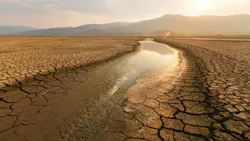
The U.S. Geological Survey has introduced River DroughtCast, a new machine learning-based forecasting tool designed to predict streamflow drought conditions weeks in advance using decades of streamgage data from rivers and streams across the United States.
Unlike traditional drought forecasts focused primarily on rainfall deficits, River DroughtCast predicts when streamflows will fall below normal levels for extended periods — conditions that can directly affect water availability, ecosystems and water infrastructure operations. The system uses models trained on data from more than 3,000 USGS streamgages, some with over 100 years of records, to forecast drought conditions one to 13 weeks ahead.
“The USGS is putting more than a century of streamflow data to work in a completely new way, using machine learning to predict streamflow drought weeks in advance,” said John Hammond, USGS project manager for the drought forecasting system, in a news release.
According to the agency, the tool is most reliable within the first four to six weeks of forecasting and correctly predicts the onset of severe or extreme drought conditions about 75% of the time during the first week of a forecast. The platform also includes confidence estimates to help users assess forecast reliability over longer timeframes.
For stormwater and watershed professionals, the forecasting tool could support proactive planning around water supply, stream health and infrastructure operations, particularly as changing climate conditions intensify both flood and drought extremes. The system was developed in partnership with National Integrated Drought Information System.