International volunteer survey finds widespread plastic pellet pollution in waterways
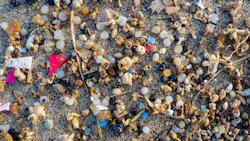
A global citizen science effort has found plastic pellet pollution in waterways across much of the United States and beyond, highlighting the widespread presence of microplastics in aquatic environments.
According to the 2026 International Plastic Pellet Count Report, more than 1,000 volunteers surveyed 249 sites across 31 states, Washington, D.C., and six countries during May 2026. Participants documented nearly 1.1 million plastic pellets, commonly known as nurdles, at more than half of the locations surveyed.
The annual effort, organized by Environment America Research & Policy Center and supported by Nurdle Patrol, uses standardized 10-minute surveys to track the prevalence of pre-production plastic pellets, the raw material used to manufacture plastic products. Organizers said the results demonstrate that pellet pollution is not limited to industrial areas and can be found in waterways throughout many regions.
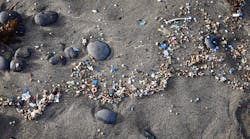
Researchers noted that the highest concentrations were often found near locations where pellets are manufactured, handled or transported. One of the largest discoveries occurred along Texas’ Victoria Barge Canal, where volunteers collected more than 1 million pellets. The San Antonio Bay Estuarine Waterkeeper alone documented an estimated 715,000 pellets at the site.
Environmental groups say plastic pellets can enter waterways through spills during manufacturing and transportation as well as permitted industrial discharges. Once in the environment, the pellets can absorb contaminants such as PCBs, mercury and other toxic chemicals. Wildlife, including fish, birds and turtles, may mistake the pellets for food, potentially causing injury or death.
The findings come as concerns continue to grow over microplastic pollution in rivers, lakes, estuaries and coastal waters. Organizers said the data collected through the annual count can help identify pollution hotspots and support efforts to reduce plastic pellet releases before they enter waterways and stormwater systems.