Report finds 61% of U.S. beaches experienced unsafe contamination levels in 2024
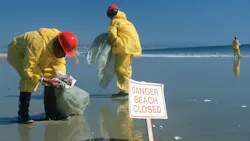
A re-release of the “Safe for Swimming?” report from Environment America Research & Policy Center found that 61% of coastal and Great Lakes beaches tested in 2024 experienced potentially unsafe contamination levels on at least one day, renewing concerns about stormwater runoff, sewage overflows and aging water infrastructure ahead of the summer recreation season.
The report analyzed bacteria data using the U.S. Environmental Protection Agency’s (EPAs) most protective Beach Action Value standards and includes updated links to 2026 beach advisories and closures across coastal and Great Lakes states. Researchers said fecal indicator bacteria contamination remains a persistent public health issue tied largely to sewage discharges and stormwater pollution following rainfall events.
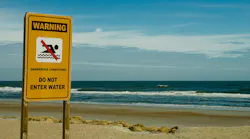
“The recent Potomac River sewage spill confirms what our research partners have shown — our waters are not always as safe for swimming as they should be,” said Abby Longo, clean water advocate for Environment America, in a press release. “As Americans head back to oceans and lakes this summer, it’s time for Congress to ramp up funding to fix our water infrastructure.”
According to the report, contaminated recreational waters contribute to an estimated 57 million illnesses annually, including gastrointestinal and respiratory infections. The findings come as Congress considers proposed cuts to the Clean Water State Revolving Fund, the primary federal funding source for wastewater and stormwater infrastructure projects.
“America’s families should be able to play freely in our beloved waterways without fear of pollution,” said Andre Delattre, senior vice president and COO of The Public Interest Network, in a press release. “It should be a national priority to commit appropriate resources to this task. Clean water is priceless.”