EPA research vessel begins annual Great Lakes water quality survey
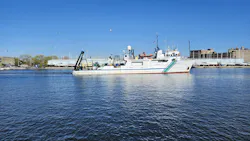
The U.S. Environmental Protection Agency's (EPAs) research vessel Lake Guardian has launched its annual month-long summer survey of all five Great Lakes, collecting data to assess water quality, ecosystem health and food-web conditions across the region.
The survey takes place during the summer stratification period, when warm surface water overlays colder bottom water. EPA scientists use this seasonal window to evaluate nutrient and oxygen levels, algal growth, aquatic organism distribution and fish habitat conditions that influence the health of the lakes.
Researchers from several universities and research institutions are joining EPA scientists during the expedition, including teams from the University of Michigan, Michigan State University, the University of Minnesota Duluth, Cornell University and Cleveland State University.
The summer survey is part of EPA's broader Great Lakes monitoring program, which includes spring water quality assessments, seasonal Lake Michigan sampling for zooplankton and fish larvae, and ongoing monitoring of oxygen conditions in Lake Erie's central basin. The agency also recently partnered with NOAA Sea Grant to provide hands-on Great Lakes research experiences for educators through its Shipboard Science Immersion program.