Gray vs. green infrastructure: Choosing the right stormwater strategy
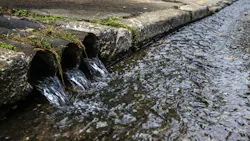
The increase in the severity of storms due to climate change calls for a nuanced approach to handling stormwater runoff. Stormwater management is a critical service for cities, given that excessive runoff can lead to flooding, structural damage and displacement of residents. Engineers look at solutions to effectively handle stormwater, including gray and green infrastructure. With this guide, professionals will understand the key benefits and limitations of each approach, as well as the factors affecting a particular selection.
Gray infrastructure
Urban areas have relied on gray infrastructure for decades to handle stormwater runoff. Gray infrastructure is made from durable materials like steel, cast iron, cement or concrete. These systems are stationary, often impermeable and usually difficult to relocate.
Gray infrastructure allows cities to handle stormwater runoff that increases as a result of the use of concrete, asphalt, steel and other generally impervious surfaces. This infrastructure comes in a variety of forms, such as:
Gutters: Gutters collect water and send it to a nearby drain.
Drains: Drains allow water from gutters and other collectors to pass through to a conveyance.
Detention basins: Detention basins collect water and allow it to evaporate or seep into groundwater.
Pipes: Pipelines transport collected water for processing or removal.
Engineered conveyance systems: Engineered systems use collections of gray and green infrastructure to convey stormwater to a safe location.
Other options include levees, dams, culverts or ditches.
Gray infrastructure is a standard choice for sites, which means that planners can execute a design for stormwater runoff that relies on data generated over decades. Pipelines, drains and gutters are rated to hold certain capacities over time. Depending on the size and implementation, gray infrastructure can handle high volumes of runoff in a short period of time. Although these materials do require routine maintenance and can break down or wear out on occasion, upkeep for gray infrastructure typically requires less frequent care than green infrastructure.
Relying on a system of drains and pipes can create limitations for site planners. The creation of a gray infrastructure system requires an assessment of the stormwater needs of the site, and this assessment may prove inaccurate. Storm patterns exhibit nonstationarity at least partially due to climate change, which means that historical data cannot necessarily predict future needs with accuracy. As such, building a permanent system to handle stormwater runoff may become insufficient within only a few years. If the site needs change over time, gray infrastructure may be more difficult to augment or improve.
Green infrastructure
Green infrastructure differs from gray primarily through its use of vegetation. The utilization of green infrastructure comes as an alternative to pipes and drains to promote beautification of the area and allow for effective drainage under manageable weather conditions.
Although green infrastructure typically relies on plants to improve drainage, other options also exist. Common options include:
Rain gardens: Shallow depressions in the ground support flowers and other plants that help filter and disperse water into the soil.
Bioswales: Vegetated channels located near curbs collect water, filter out sediment and allow the water to pass into the ground.
Permeable pavement: Specialized pavement techniques, such as porous asphalt, allow water to pass through instead of collecting on the surface as runoff.
Vegetated areas: Vegetated areas, like urban forests and gardens, expose soil and provide foliage that can collect and absorb water.
The goal of green infrastructure typically lies in managing stormwater runoff while improving local sustainability.
Interest in green infrastructure developed largely as a response to the increasing use of hard surfaces in urban areas. High use of concrete and other materials that absorb heat contributes to heat islands, which denote an increase in temperature common to cities. Adding gardens, trees and other green spaces provides beautification and other benefits, such as improved air quality and shade. In addition to these advantages, green infrastructure offers significant value for stormwater management. Specifically, green infrastructure can better collect and process stormwater from the immediate source, especially when used with targeted gray infrastructure systems.
While green infrastructure offers advantages in different aspects of site management, it has limitations focused largely on capacity. Soil and greenery are far more capable of absorbing water than most gray infrastructure, but they have a limited capacity. Once the green area becomes saturated with water, flooding or erosion becomes more likely.
Additionally, green infrastructure requires more resources and can be harder to maintain over time. Planners in regions with dry climates and occasional large rainstorms must select plants that can absorb high volumes of water but do not require a lot of watering, or risk spending precious resources on upkeep.
Factors affecting stormwater strategies
In general, the right solution for any site will incorporate elements from both green and gray infrastructure. The ideal system often combines these approaches in an intentional design, maximizing stormwater management according to site-specific factors.
The local climate determines the extent of likely stormwater runoff, as well as the best methods for removing the water. Areas with high average rainfall and frequent severe storms may get less utility from green infrastructure used for drainage, particularly if the soil becomes saturated frequently. By comparison, sites with minimal rain may be able to manage most of their stormwater needs with green infrastructure, relying on gray infrastructure to handle so-called 100-year storms.
The conditions of the site dictate the most effective drainage methods. Locations with high clay content in the soil may require soil augmentation to improve drainage. This will allow planners to incorporate green infrastructure, with additional support from gray infrastructure to meet site requirements. Sites that sit lower than the gray infrastructure systems in place may need to integrate pumps to move the water uphill or use green infrastructure to disperse water that collects in a basin.
Regulatory requirements set limitations on the types of systems that construction environmental engineers can implement. For example, the U.S. Environmental Protection Agency requires that sites ensure that the project complies with the Clean Water Act for stormwater runoff. If the runoff could contain toxic elements, the site may need to filter or otherwise process the runoff before allowing it to drain into groundwater or discharge to a municipal water supply.
Green and gray infrastructure carry unique maintenance requirements depending on the type, location and other factors. Green infrastructure usually demands more frequent care to trim greenery or ensure it has sufficient water to thrive. Gray infrastructure requires regular testing and upkeep to ensure that it does not corrode or leak. Planners should select designs based on the availability of consistent maintenance work by qualified professionals.
Budgets set hard limits on the site owner’s ability to execute any particular system. Gray infrastructure may carry a larger up-front cost to design and implement, but can be put to immediate use. Green infrastructure can be cheaper to put into place but takes more money to maintain, depending on the condition of the site. It may also take years to reach maturity. Engineers should compare the lifetime costs of any system design to ensure that the property owner can handle the ongoing expenses, in addition to the price to implement.
The long-term water quality goals of the area also factor into design decisions. Sites in regions that are attempting to mitigate ongoing contamination of groundwater may need to rely more on gray infrastructure to ensure that runoff receives proper treatment first. By comparison, areas that need to increase groundwater reserves may promote green infrastructure for sites that do not anticipate releasing toxins from industrial work.
When site planners consider options to handle stormwater runoff, they usually choose from a selection of gray or green infrastructure options. Each approach has its own benefits and limitations. By considering how the site’s features and property owner’s requirements affect stormwater needs, planners can create a design that meets requirements and reduces negative effects.
About the Author
Joseph Heaney
Joseph M. Heaney, III, P.E., is a Principal at Walden Environmental Engineering, a firm providing environmental and engineering consulting services across multiple industries. With more than 30 years of experience, he provides strategic direction for the company's technical operations and oversees complex engineering projects. Heaney is known for delivering practical, decisive solutions to challenging environmental and engineering issues and is a licensed Professional Engineer in New York, New Jersey, Connecticut, and Pennsylvania.