Why your spill response plan needs an audit ahead of the 2026 permit cycle
Key Highlights
- Identify and prioritize stormwater hot spots such as fueling zones and storage areas for proactive management.
- Review and stress-test existing stormwater pollution prevention plans against the new 'observable sheen' standard.
- Ensure containment measures are robust and support quick response to prevent minor leaks from escalating into violations.

A small fuel drip strikes damp pavement after a normal transfer and quickly spreads into a thin rainbow sheen. Many used to think it was only a small problem, but the same everyday event carries more weight under the new 2026 Multi-Sector General Permit (MSGP).
Professionals are paying more attention to visible sheen and stormwater hot spots where fuel is likely to come into contact with water. Now is a good time to review your spill response strategy to lower your risk, keep costs down and avoid surprises when the new permit cycle starts.
Why water regulations are getting stricter
Industrial stormwater is now a major enforcement focus. Regulators are raising the bar for everyone, since stormwater runoff remains one of the biggest sources of water contamination in the U.S. As old infrastructure struggles to keep up with demand and climate change makes weather patterns more extreme, the responsibility for preventing contamination at the source is shifting to facilities first, rather than dealing with it after the fact.
Financing is also a significant factor in the shift. The EPA reports that more than $67.2 billion is needed to improve key water infrastructure systems, underscoring the underfunding and risk in the current situation. That is where the 2026 MSGP fits in. The change is part of a bigger national effort to improve accountability and performance.
Proactive, verifiable containment is the new priority, especially in high-risk industrial “hot spots” where fuel, oils and stormwater intersect. Now, facilities have to prove they can clean up spills and have mechanisms in place to prevent them from reaching drains or waterways. The change makes documentation, inspections and on-the-ground controls more important. Thus, it is important to review previous plans before the new permit cycle starts.
Why the “observable sheen” standard matters
The term "observable sheen" marks a significant shift in how compliance is assessed. The 2026 MSGP states that if there is a visible film or rainbow effect on water, even if minor, it may indicate a substance has been released and needs to be addressed to maintain compliance. That means that the bar for what counts as a problem is higher.
There was more room for interpretation in the 2021 Permit. Facilities might typically fix small leaks without drawing the same level of attention by doing ordinary cleaning or maintenance. The new method eliminates that gray region. The question changes from "Is the spill big enough to respond to?" to "Was it possible to stop it in the first place?" It is already too late if you can see a sheen.
This change is especially critical in stormwater hot spots, where people often work with gasoline, oil or chemicals outdoors. Fueling zones, loading areas, maintenance pads and storage areas often have minor, long-lasting leaks that worsen over time.
Those residues can quickly move around and form visible sheens when it rains, turning normal activities into compliance problems. That is why cleaning up fuel spills is no longer only something that happens after the fact. Facilities are expected to actively identify and address these high-risk sites before contaminants reach stormwater.
The cost of noncompliance
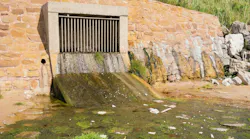
If you do not change your spill response strategy before the 2026 permit cycle, you could lose funds, and the losses can pile up quickly. If you violate the National Pollutant Discharge Elimination System (NPDES) permit, you could face civil fines of up to $68,445 per violation, per day. That means that one unsolved problem, such as a visible sheen in a high-risk location, might go from a minor operational mistake to a major, costly problem in just a few days.
The price does not end with fines. Once a violation is found, institutions may be required to undergo additional inspections, complete additional paperwork and take corrective actions. These steps usually require quick capital for new equipment, process modifications, or help from a third party, which costs much more than preventing problems before they happen. Sometimes, regulators may even order businesses to temporarily stop operations until they are back in compliance, which can hurt both business and income.
You should also think about how it would affect your reputation. Not following the rules can hurt relationships with business partners, clients and local communities, especially in fields where environmental responsibility is actively monitored. When you look at all these dangers together, it is evident that it is much more expensive to wait to fill gaps in your strategy than to find and fix them before enforcement becomes a problem.
A playbook for getting ahead of the 2026 permit cycle
To get ready for the next permit cycle, you need to stop cleaning up after things go wrong and start controlling them before they happen. Facilities should revisit stormwater hot spots and improve their everyday best management practices. This includes covering fueling areas, using self-contained storage systems, and regularly checking high-risk outdoor operations. These actions lower the risk that small spills will turn into compliance events that need to be reported.
Advanced cleanup solutions might also be helpful when there is already old contamination or recurring leaks. In the field, modern in-situ fuel spill cleanup methods are getting great results. Case studies demonstrate that groundwater contamination can be reduced by 10 to 1000-fold following treatment. Adding these tools to your spill response strategy helps facilities go beyond following the rules and work toward long-term risk reduction.
A 4-point audit action plan to prepare for the 2026 permit cycle
Strong industrial stormwater compliance procedures always use inspections, monitoring, recordkeeping, reporting and training. Internal audits are among the best ways to identify problems before they become violations. The "observable sheen" criterion has a lower threshold. Thus, a focused audit can help facilities improve prevention before the next permit cycle begins.
A good place to start includes the following steps:
- Map your stormwater hot spots: Identify and note locations where fuel is most likely to come into contact with rainwater, such as fueling stations and loading docks. During inspections and remedial action planning, these areas should be given priority.
- Stress-test your existing plans: Check your stormwater pollution prevention plan (SWPPP) and SPCC paperwork against the idea that even modest, visible leaks may now need to be addressed right away. Check whether there are any differences between the published rules and what is actually happening on the site.
- Assess your containment tools: Ensure that current measures support proactive prevention, especially in operational areas open to the elements and where rain can swiftly move residues.
- Train your team on the new threshold for action: Ensure staff know which situations now require escalation and documentation so that minor faults do not turn into compliance issues during inspections.
Getting ahead of the next permit cycle starts now
The 2026 MSGP is likely to raise expectations for stormwater hot spots and the visibility of the sheen. Facilities that wait to change their plans could quickly fall behind. A proactive audit of your spill response plan helps you identify problems early and strengthens both compliance and daily operations. Taking action now makes your team stronger for the next permit cycle and reduces the risk that minor issues will escalate into costly infractions later.
About the Author
Emily Newton
Editor -in-chief
Emily Newton is editor-in-chief of Revolutionized. Newton can be reached at [email protected].