The link between stormwater management, subsurface risk and groundwater
Key Highlights
- Stormwater infiltration can influence groundwater quality, soil stability and the movement of contaminants.
- Poor runoff control, improper drainage and insufficient containment can increase risks of erosion, flooding and groundwater contamination.
- Planning should account for site-specific soil and groundwater conditions, runoff volumes, potential pollutants and existing infrastructure.
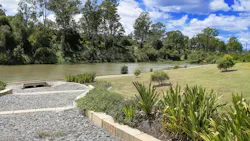
When municipalities and developers look at stormwater management, they may focus on flood reduction or protection for structures in the region. This approach can be too limited, as the stormwater continues to affect the ground whether or not there are structures at risk. Stormwater management must include some analysis of the subsurface conditions and requirements.
With this guide, surface water and erosion control professionals can see how stormwater runoff can aid or damage the subsurface landscape.
Subsurface conditions affected by stormwater management
Stormwater management influences what happens when runoff infiltrates below the surface. Specifically, stormwater runoff can affect the quality of groundwater, soil stability and the overall risk of contamination.
Groundwater quality
Groundwater maintains a balance with the humans, plants and wildlife of the region. When stormwater infiltrates the soil, some of that water may eventually recharge groundwater, depending on local geology, soil conditions and depth to groundwater. Eventually, that water makes its way back to the surface — whether it comes from rivers, underground springs or manmade pump systems.
The quality of stormwater runoff is one determinator of groundwater quality, as a result. Stormwater picks up much of what it encounters as it falls on rooftops, roads, industrial sites and more. As stormwater moves across developed or industrial areas, it can pick up pollutants that may affect groundwater quality if the runoff infiltrates into the subsurface.
Soil stability
Erosion results from soil instability and is commonly caused by stormwater. A flash flood can wash away homes, roads and bridges — taking plenty of soil with it. Soil stability reflects the soil’s ability to retain its shape and general position, without shifting due to gravity or excessive water.
Soil stability is shaped by the presence of water in areas where the soil is weak or the water pressure is strong. If stormwater runoff fails to enter the ground at points that can contain it or easily drain it as part of a management strategy, the water may erode soil supporting critical structures or roads.
Risk of contamination
Stormwater runoff should follow predictable paths that protect groundwater from contamination, but it does not always happen that way. When stormwater runs through gutters or across construction sites, it may pick up environmental pollutants such as pesticides, petroleum hydrocarbons, sediment, nutrients and heavy metals. These contaminants can come from various sources, including industrial waste, human dumping or excavation of natural sites.
Some pollutants may be dilute enough that they pose little harm to the population or vegetation in the area, but it depends on the contaminant. Depending on their chemical properties and site conditions, contaminants may accumulate in sediment, migrate through soil or affect groundwater.
Stormwater management issues
Stormwater management strategies heavily influence the effects that the runoff has on subsurface conditions. Certain issues — such as a lack of control for runoff, improper drainage or insufficient containment — can cause the stormwater to move beyond the systems already in place to manage it.
Poorly controlled runoff
Stormwater runoff requires a control plan, particularly for areas with dense population and lots of structures. Paved roads and buildings decrease visible soil and plant life, which increases the stormwater that runs off hard surfaces. Project teams must execute and maintain systems to control the runoff, whether they rely primarily on pipes and drains or rain gardens and urban forests.
Regions that fail to control the runoff may see greater damage to subsurface components over time. Specifically, poor runoff control can contribute to unexpected flooding or soil erosion. These scenarios can lead to significant damage to structures and roads.
Improper drainage
Cities usually rely on a specific infrastructure to handle the runoff, but that may be improper or insufficient. For example, a region might use gutters and drains that lead to pipelines that allow the water to pass freely. If the stormwater drainage ends near an embankment however, it may flood or erode the soil supporting the structure on top.
Similarly, improper drainage can lead to groundwater contamination. If drainage for stormwater runoff leads directly to groundwater aquifers with no testing or treatment, particularly around industrial areas, it may carry contaminants to the water. Drainage must follow the water through the process and ensure that it contributes positively to the local ecosystem.
Insufficient containment
Containment of stormwater runoff must be sufficient to prevent flooding, for the sake of the people in the area as well as the soil. Planners typically use levees, detention basins or bioswales to accumulate water and allow it to pass through the drainage system in place, even if it might sit there for a day or two.
Insufficient containment becomes a major risk for the population and the soil supporting it. Poorly maintained levees can break, washing away roads and structures. Infiltration-based systems must be appropriately designed for site-specific soil, slope and groundwater conditions. Poorly designed or maintained systems can contribute to localized erosion, ponding or unintended subsurface impacts.
Proactive strategies to lower subsurface risks
These concerns will not go away on their own, particularly in areas with inadequate stormwater management. By improving consideration in planning, permitting, site-specific risk assessments and monitoring, developers can put supports in place to preserve subsurface conditions over time.
Planning
Initial planning is critical to the success of any stormwater management strategy, especially for the long-term effects to the soil and water below the surface. Planning requires careful analysis of these and other factors:
- Current soil and groundwater conditions and features
- Amount of stormwater runoff expected
- Likely sources of stormwater
- Possible contaminants
- Existing drainage infrastructure in place
- Ability to augment the landscape to put in additional infrastructure, such as new levees or vegetated areas
Planning may require coordination among environmental consultants, engineers, hydrogeologists, regulators, contractors and other technical specialists who can evaluate both surface-water and subsurface conditions.
Permitting
Obtaining permits for stormwater management is more than simply a procedural step. Identifying applicable permitting and regulatory requirements early in project planning can help avoid redesign, compliance issues and project delays.
Taking time to research and request the appropriate permits is an investment in future stability. Stormwater management engineers who engage in a thorough investigation process can provide better results for groundwater quality and soil stability in the long term.
Site-specific risk assessment
Many risks that project teams face when developing a stormwater management strategy are site-specific, which means that they may not be able to rely on strategies for other sites. Within one area, soil type may vary significantly, along with the contamination risk and the proximity to the water supply.
As such, planning requires a nuanced discussion of risks posed by the features and limitations of the site. One site might have easy drainage, but possible contamination due to the types of activities that will be performed there. Another may pose little risk to groundwater contamination but need significant drainage infrastructure to avoid flooding.
Monitoring
Once a stormwater management system is in place, monitoring is critical to ensure that the system works appropriately and consistently. Modern monitoring systems allow maintenance crews to see the condition of drainage systems by camera. Sensors track details like soil saturation or water flow, and report that information to administrators, who can use that data to determine any need to augment the drainage system.
Monitoring should be proactive, not just reactive. When the data shows that the stormwater management system is insufficient or at high risk of failure, operators should react. Devising new solutions to the problems can keep the system from contributing to significant contamination, flooding or soil erosion.
Managing stormwater runoff is critical to protecting resources for the people, animals and plants living in the area. By implementing appropriate stormwater management strategies, municipalities can reduce flooding and other subsurface risks.
About the Author
Meeshel Hélas
Meeshel Hélas is the Marketing Director at IPT Well Solutions, a company providing engineering and consulting services for the oil, gas, and energy industries. In her role, she supports the company’s marketing and communications efforts, helping strengthen brand awareness and connect clients with IPT Well Solutions’ technical expertise and services.